For years, many people have feared Artificial Intelligence because they imagine machines replacing humans or taking control of society. While concerns about technology should always be taken seriously, there is another side to the AI story that deserves attention — the positive side. In reality, Artificial Intelligence may become one of the most important tools humans have ever created for improving life on Earth.
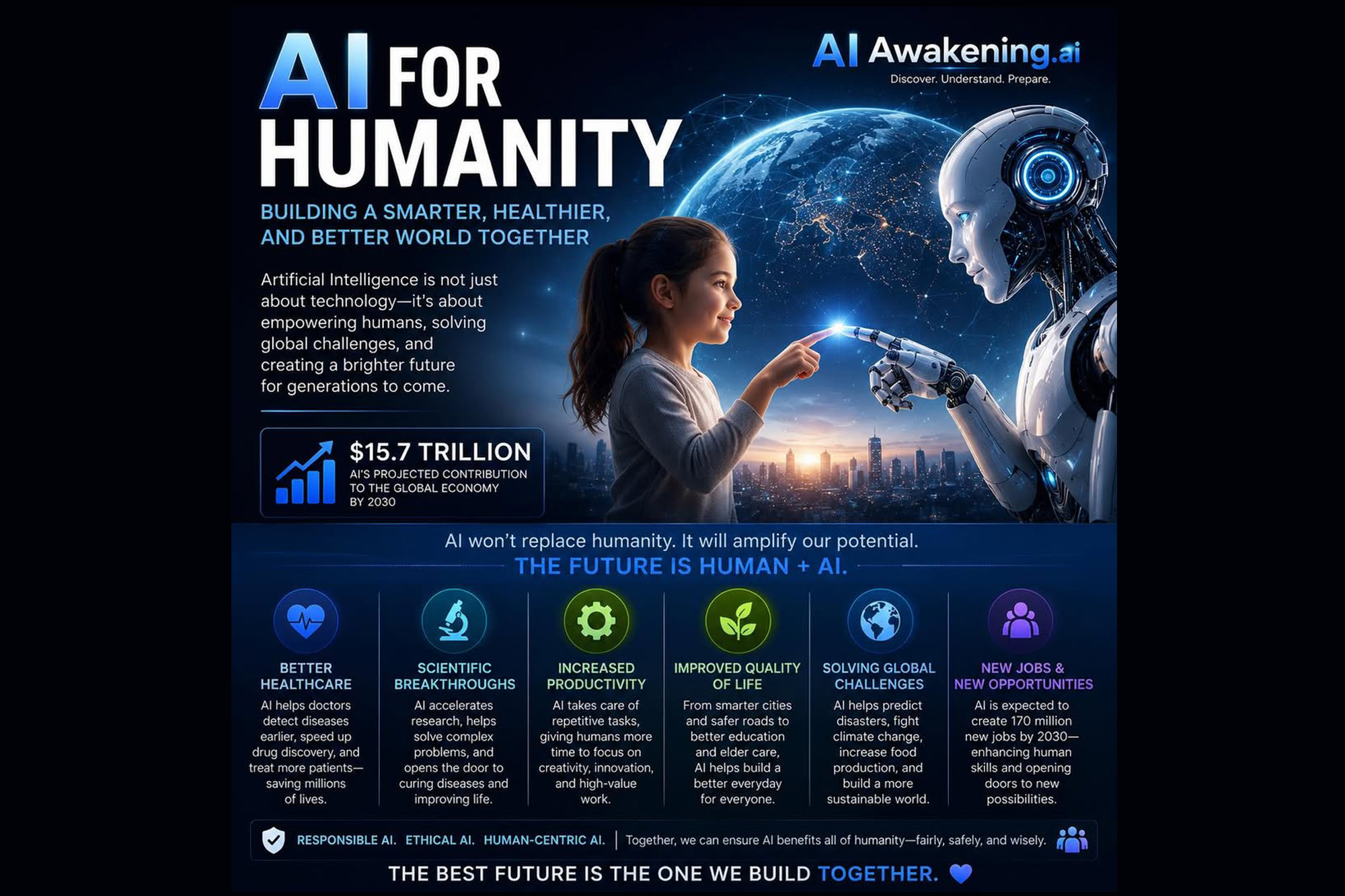
AI is already helping humanity in ways many people do not even realize. From healthcare and scientific research to farming, transportation, education, and disaster prediction, AI systems are quietly becoming part of everyday life. Experts now estimate that Artificial Intelligence could contribute more than $15 trillion to the global economy by 2030, making it one of the largest technological shifts in modern history.
One of the biggest benefits of AI may be in healthcare and medicine. AI systems can analyze massive amounts of medical data far faster than humans alone. Doctors and researchers are already using AI to help detect diseases earlier, improve diagnoses, assist with drug discovery, and study treatments for cancers and genetic diseases. In the future, AI could help accelerate medical breakthroughs that save millions of lives worldwide.
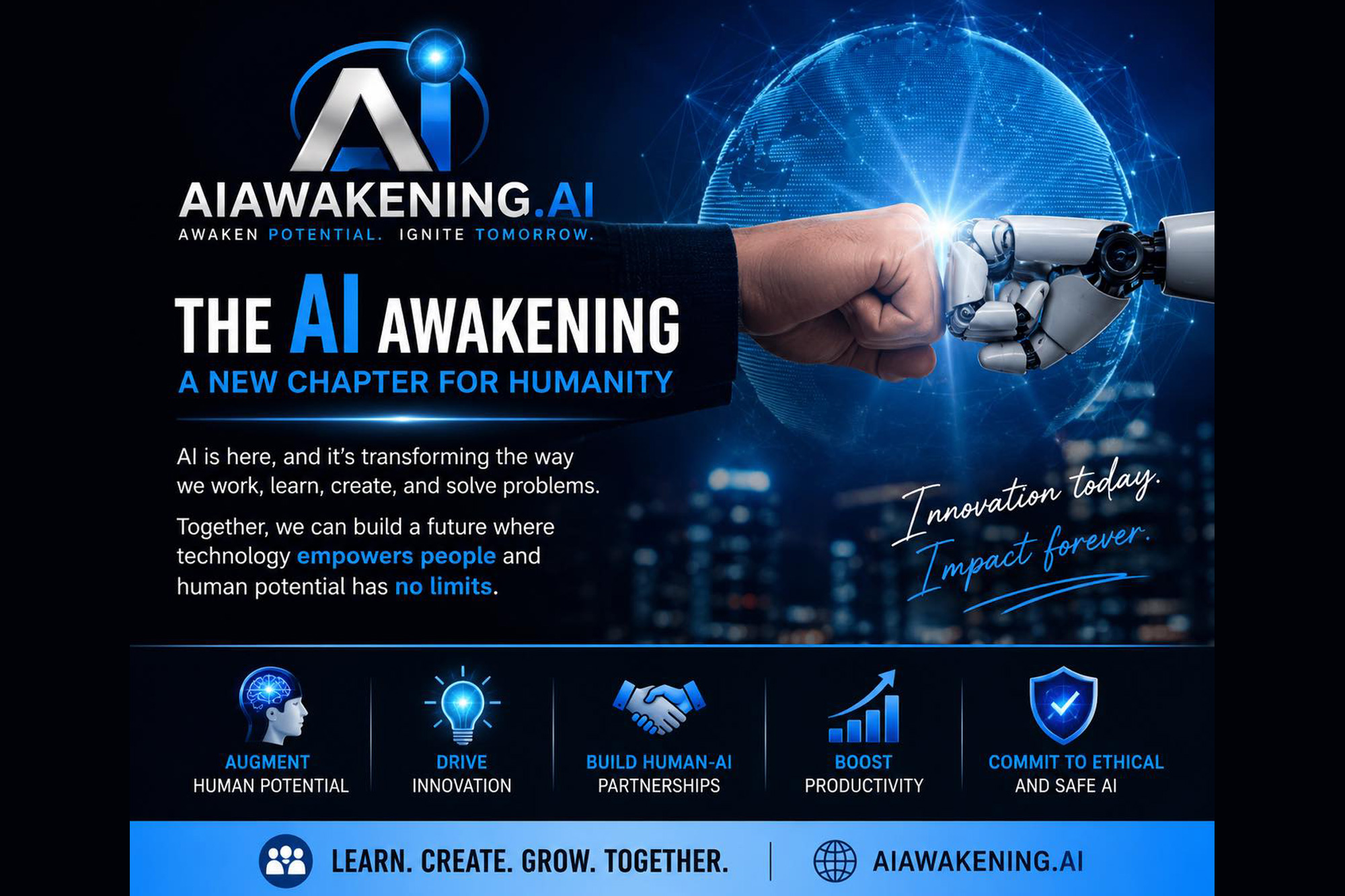
AI is also helping improve productivity across many industries. Repetitive tasks like scheduling, paperwork, reporting, and data organization can now be handled faster with AI-powered tools. This allows human workers to focus more on creativity, problem solving, communication, and higher-value work that requires emotional intelligence and real-world decision making. Rather than simply replacing people, AI often works best as a partner that enhances human abilities.
Another major benefit of AI is how it may help solve global challenges. Artificial Intelligence is being used to improve weather prediction, monitor climate conditions, increase crop yields for farming, reduce waste, and help emergency responders during natural disasters. AI-powered systems may also improve elderly care by helping monitor health conditions and assisting caregivers in protecting aging populations.
Many people do not realize humans have already trusted intelligent systems for years. Commercial airplanes use autopilot systems, hospitals rely on advanced computer diagnostics, and businesses depend on software that predicts trends and improves decision making. AI is not appearing overnight — it is the next evolution of technologies humans already use every day.
Of course, responsible development remains important. Concerns about privacy, bias, misinformation, and job disruption should not be ignored. Like any powerful technology, AI must be guided carefully and ethically. But history has shown that humans adapt to major technological changes, and new industries and opportunities often emerge alongside innovation.
The future of AI does not have to be a story based only on fear. It can also be a story about human progress, medical breakthroughs, increased productivity, smarter tools, and better quality of life.
Artificial Intelligence may ultimately become one of humanity’s greatest partners — helping people solve problems faster, think bigger, and improve life for future generations.