By Jonathan Edelman
For more than a century, the automotive industry has been built around engines, horsepower, mechanical engineering, and manufacturing innovation. Today, however, the car business is entering a completely new era — one increasingly powered not just by steel and fuel, but by software, data, and artificial intelligence.
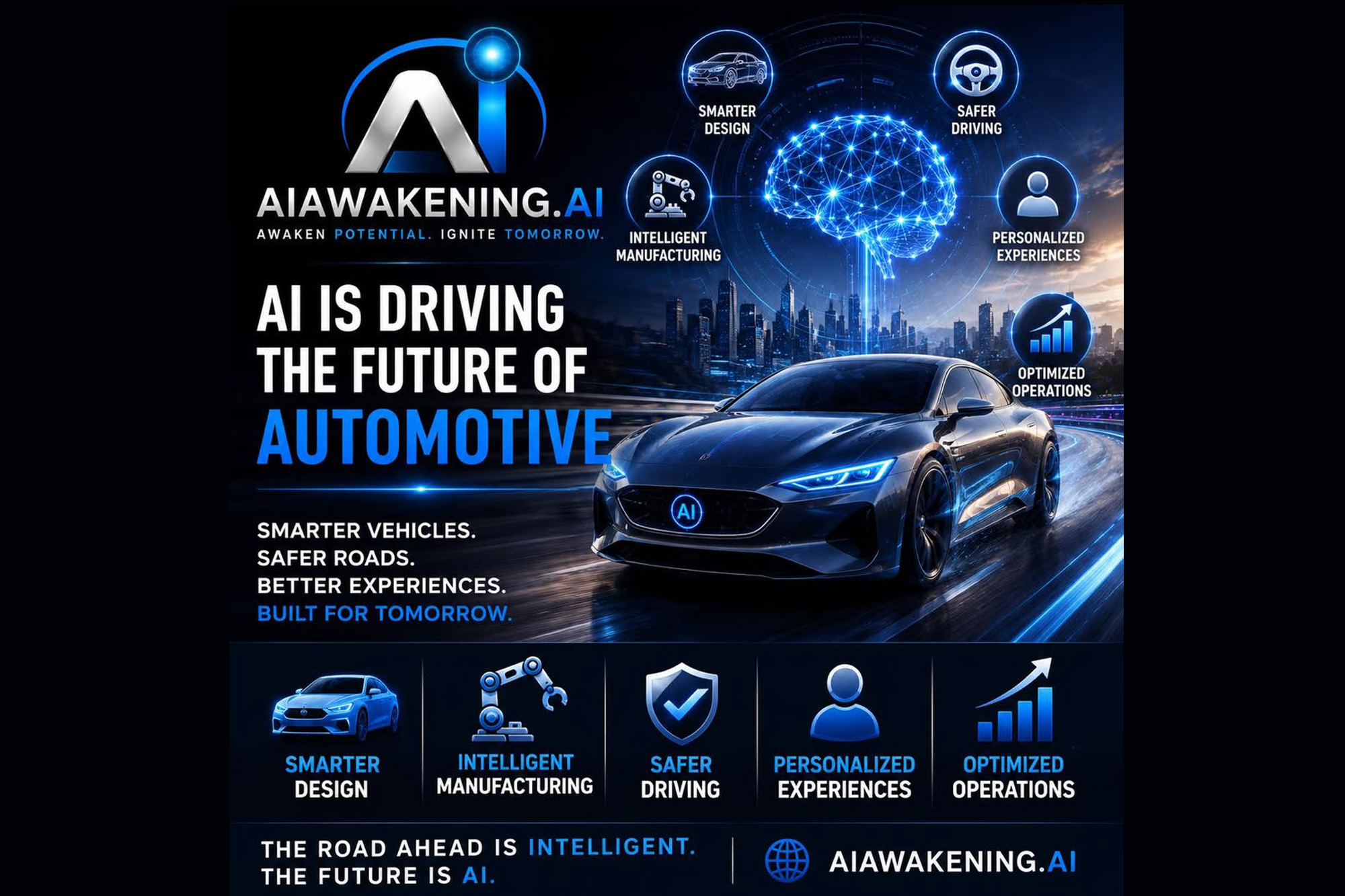
Artificial Intelligence is rapidly changing the automotive world from the factory floor all the way to the driver’s seat. What once sounded futuristic is now becoming reality as AI systems help design vehicles, improve safety, streamline manufacturing, personalize the driving experience, and even assist dealerships in serving customers more efficiently.
The automotive industry is no longer simply about building cars. It is becoming part of a larger digital ecosystem where intelligent systems constantly learn, adapt, and improve.
One of the biggest transformations is happening inside vehicle design and manufacturing. Automakers are now using advanced AI systems to help engineers create and test new concepts faster than ever before. What once took weeks or months of physical modeling and redesign can now be simulated digitally in a fraction of the time. AI-powered systems can analyze thousands of design possibilities, helping manufacturers improve aerodynamics, reduce weight, increase efficiency, and shorten development cycles.
Factories themselves are also becoming smarter. AI-driven computer vision systems can inspect vehicle parts and painted surfaces with incredible precision. These systems are capable of identifying tiny imperfections that the human eye could easily miss during fast-moving production. By catching defects earlier, manufacturers can improve quality control while reducing waste and costly recalls.
Another major advancement is predictive maintenance. Modern factories are now filled with sensors connected through advanced networks that monitor machinery in real time. Artificial intelligence can analyze this information and predict when equipment may fail before it actually breaks down. This allows manufacturers to schedule repairs proactively, reducing downtime and keeping production moving more efficiently.
Outside the factory, AI is also changing how vehicles operate on the road. Advanced Driver Assistance Systems, commonly known as ADAS, already help millions of drivers every day. Features such as lane-keeping assistance, blind spot monitoring, adaptive cruise control, and automatic emergency braking are powered by AI systems constantly interpreting information from cameras, radar, and sensors in real time.
These technologies are designed to help improve safety and reduce human error, which remains one of the leading causes of accidents worldwide. While fully autonomous vehicles are still evolving, the foundation for smarter transportation is already being built into modern vehicles today.
The in-car experience is also becoming more personalized through artificial intelligence. Modern vehicles are starting to function more like intelligent digital assistants. AI systems can learn driver habits and preferences over time, adjusting climate controls, seating positions, navigation routes, music suggestions, and entertainment options automatically. Voice-controlled systems are becoming more natural and responsive, allowing drivers to interact with their vehicles in ways that once seemed impossible.
This shift toward software-defined vehicles represents one of the most important changes in automotive history. In the past, vehicles were primarily mechanical machines with isolated electronic systems. Today, cars are increasingly becoming rolling computers capable of receiving software updates, learning from data, and adding new features long after leaving the dealership.
Artificial intelligence is also reshaping automotive supply chains and dealership operations. AI-powered forecasting tools help manufacturers and suppliers better predict demand, manage inventory, and respond to changing market conditions. These systems can analyze historical sales data, consumer trends, shipping patterns, and even weather conditions to improve logistics and reduce shortages.
Dealerships are beginning to use AI tools as well. Intelligent systems can assist with lead management, service scheduling, customer communication, and personalized recommendations. Digital showrooms and virtual experiences are helping customers research and compare vehicles online with greater convenience and speed.
The future of the automotive industry may look very different from the past. Brand value may no longer be based only on horsepower, styling, or engine size. Increasingly, consumers may judge vehicles based on digital experiences, software capabilities, safety systems, connectivity, and intelligent features.
As Artificial Intelligence continues to evolve, the automotive world will likely become safer, smarter, and more connected than ever before. Challenges will certainly remain, including cybersecurity, privacy concerns, and ensuring that technology is used responsibly. However, the opportunities for innovation are enormous.
The AI Awakening is not just transforming computers or smartphones. It is transforming mobility itself. The vehicles of tomorrow may not simply transport people from one location to another. They may become intelligent companions designed to assist, protect, and improve everyday life in ways humanity is only beginning to imagine.