Living With AI: Watching the Future Arrive Faster Than We’re Ready For
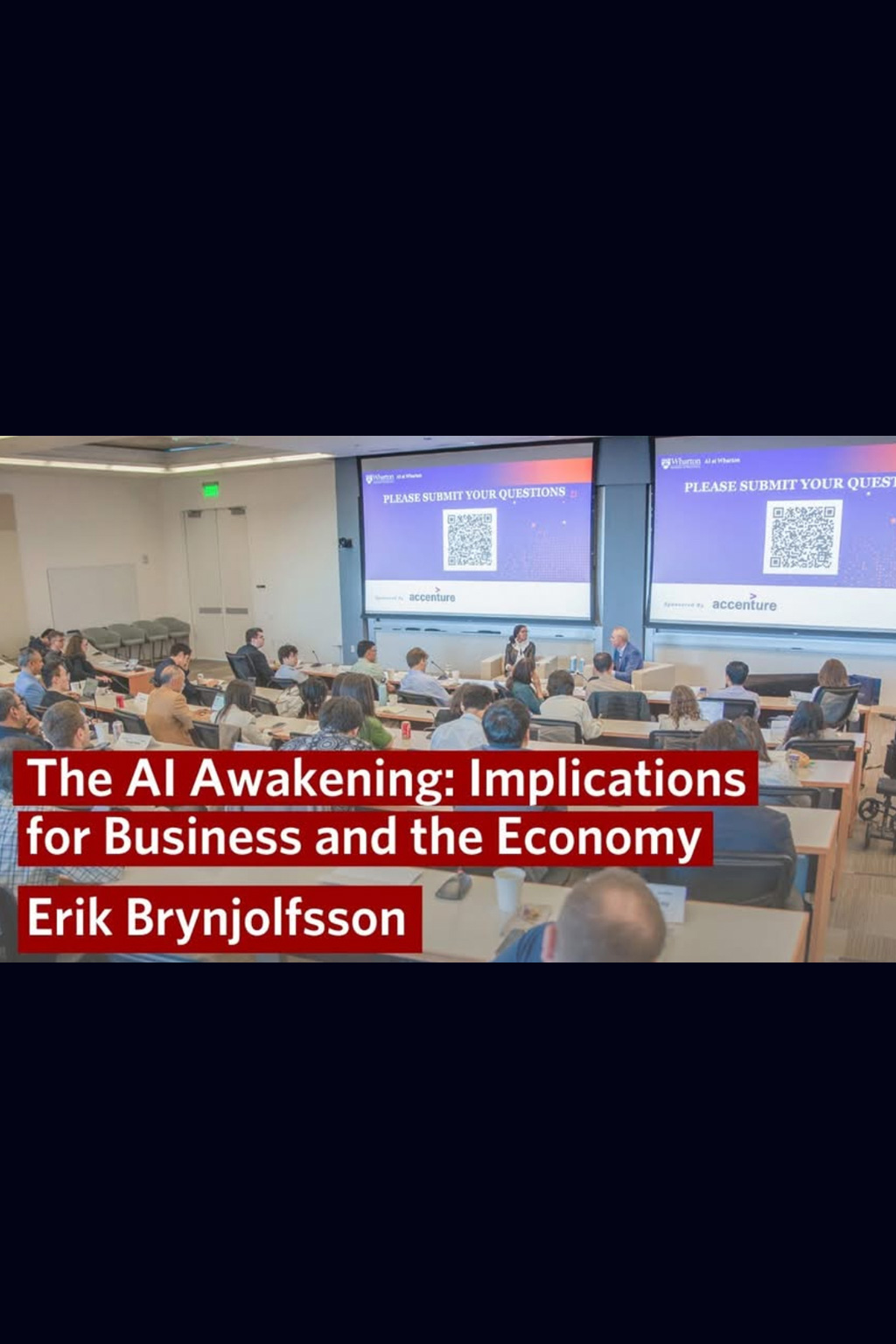
Video source for information
Artificial intelligence used to feel like a distant idea — something out of science fiction. It was always “coming soon,” a futuristic plot device where robots took over the world. But after watching the recent warning from leading AI safety researchers, it’s clear: the future isn’t distant anymore — it’s already here.
What struck me most about the video wasn’t just the warning itself — it was the realization that this moment feels like a turning point. Not just in technology, but in the very nature of human purpose, work, and survival.
⸻
AI Is Not Just a Tool — It’s an Infra-Structural Shift
When coronavirus first spread around the world, entire societies paused. We watched in real time as schools closed, workplaces emptied, and routines we took for granted vanished. The pandemic was sudden. It was disruptive. But AI is a different kind of disruption altogether — one that doesn’t slow down for fear or policy or uncertainty.
Unlike a virus, AI doesn’t get sick.
It doesn’t take breaks.
It doesn’t age or retire.
And it doesn’t stop evolving.
That’s the unsettling truth.
In traditional human work models, effort and time were fundamental — you put in hours, you gained experience, you earned a living. The system was predictable, more or less. But AI is changing all that. Machines don’t need college degrees or benefits. They don’t ask for raises. They don’t get tired. They simply get better — faster than most people expected.
And that has profound implications.
⸻
A World Without Work — Or Without Purpose?
Most of us have lived in a world where “work” wasn’t just how we paid bills — it was how we defined ourselves. A carpenter builds. A teacher educates. A nurse cares. But when machines can do many of those things more cheaply, more efficiently, and without human limitations, what happens then?
When companies can hire a robot assistant for less than the cost of a full-time human employee, the economic motivations change. Industries start replacing people — not slowly, not gradually, but rapidly. And once that starts, it doesn’t stop.
Imagine a world where:
• Doctors are replaced by diagnostic AI
• Writers are replaced by language models
• Truck drivers are replaced by autonomous vehicles
• Customer service reps are replaced by intelligent conversational systems
This isn’t hypothetical — many of these technologies already exist today. The rate of adoption may vary, but the direction is clear: AI is eroding the traditional jobs that once sustained families and livelihoods.
⸻
When the Economy Stops Being Human-Centered
Economies are built on people with money to spend. But how do people earn money when most of the work is done by machines?
Some suggest Universal Basic Income.
Others talk about robot taxes and profit sharing.
But these feel like temporary patches over a much deeper transformation.
If machines can do nearly everything humans can do — cheaper and faster — then large parts of society risk being left behind. That isn’t just a labor problem. That’s a human survival problem.
⸻
Why This Moment Feels Different
In the past, new technologies created new jobs. Society adapted slowly over generations.
AI is different.
It is a tool that builds tools.
It learns.
It improves itself.
It scales instantly across the planet.
Once AI reaches a level where it outperforms humans across most domains, it doesn’t just replace workers — it replaces the economic foundation of civilization.
That raises uncomfortable questions:
• What is human purpose when machines can do everything we can?
• How do families survive without work?
• Can we control what we have created — or are we already too late?
⸻
A Future That Scares and Inspires
AI could cure disease.
It could solve climate change.
It could give every child access to the best education on Earth.
But it could also concentrate power, erase livelihoods, and redefine what it means to be human.
We are walking a tightrope between progress and peril.
We don’t have all the answers.
But we cannot afford to look away.
⸻
Why This Blog Exists
This blog isn’t about fear.
It’s about awareness.
It’s about preparation.
It’s about learning how to live with AI instead of being erased by it.
We are witnessing a transformation — and it is happening faster than we are ready for.
This is not science fiction.
This is now.
Welcome to AI Awakening.